
Understanding the psychology behind why we gamble insights into the mind of a bettor
The Emotional Appeal of Gambling
The act of gambling is often deeply intertwined with a spectrum of emotions. Many bettors are driven by the thrill of the chase, an adrenaline rush that occurs when they place a bet or play a game. This exhilaration can lead to a sense of empowerment, as individuals feel in control of their financial outcomes, even if the odds are against them. For instance, platforms like Jetton casino enhance this experience, enabling players to immerse themselves in thrilling gaming adventures. The emotional highs and lows create a captivating cycle that can keep players coming back for more, highlighting how powerful emotions can influence decision-making in gambling.
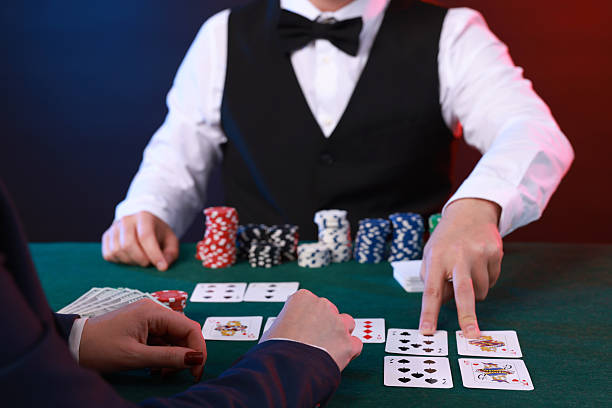
Furthermore, the anticipation that comes with waiting for results can enhance the gambling experience. Bettors often describe the moments leading up to the conclusion of a game or event as some of the most exhilarating. This anticipation activates the brain’s reward system, releasing dopamine and reinforcing the desire to engage in gambling activities. The emotional impact is significant, often outweighing rational thought and causing players to overlook potential financial losses.
This emotional rollercoaster doesn’t just occur during the act of gambling; it can also be found in the aftermath. Many individuals experience a profound sense of disappointment or euphoria based on their winnings or losses, which can perpetuate a cycle of gambling behavior. Understanding these emotional drivers is crucial for recognizing why many people struggle to control their gambling habits, as the emotional highs can often overshadow the realities of potential financial repercussions.
The Psychology of Risk-Taking
The psychology behind risk-taking is a key factor in why individuals are drawn to gambling. Many people are naturally inclined to seek out excitement and novelty, leading them to engage in activities that come with varying degrees of risk. Gambling presents a unique opportunity for bettors to experience high stakes and the possibility of substantial rewards, appealing to those who thrive on risk. This propensity for risk-taking is often amplified in environments designed to entice, such as casinos or online platforms.
Moreover, gamblers tend to exhibit cognitive biases that influence their perception of risk. For instance, the “illusion of control” leads individuals to believe they can influence outcomes based on their decisions or strategies, despite the inherent randomness of games like slots or roulette. This cognitive distortion fosters a belief that they have a greater chance of winning than they actually do, which further entices them to gamble. Understanding this psychological phenomenon is vital for comprehending the allure of betting.
Interestingly, societal influences can also impact an individual’s willingness to take risks. Social environments that promote gambling—through sporting events, peer pressure, or cultural narratives—can further normalize risk-taking behaviors. Many gamblers find themselves adopting a communal mentality, where shared experiences in gambling can validate their choices and enhance their emotional responses. This blend of individual psychology and societal influence creates a complex landscape for understanding why people gamble.
The Role of Reward Systems in Gambling
Gambling is intricately linked to the brain’s reward systems, which are designed to reinforce behaviors that provide pleasure or a sense of achievement. When an individual wins, the brain releases chemicals like dopamine, creating feelings of happiness and satisfaction. This reward cycle can quickly lead to addictive behaviors, as the pleasurable experience associated with winning encourages repeat gambling. Bettors often chase the “big win,” seeking the euphoric feelings that accompany successful wagers.
The concept of variable rewards further complicates the psychological landscape of gambling. Unlike many other activities, the outcomes of gambling are unpredictable, which can heighten excitement and engagement. When bettors experience a win, particularly after a series of losses, the emotional payoff can be even more intense. This uncertainty fuels a desire to keep playing, as individuals become conditioned to expect the possibility of reward. The unpredictability creates a cycle of hope and disappointment that can be hard to break.
Moreover, the presence of near-misses, where bettors come close to winning but ultimately lose, can be psychologically potent. Near-misses activate similar reward pathways in the brain as actual wins, leading individuals to feel motivated to continue betting in search of that elusive victory. This phenomenon explains why many gamblers find it challenging to walk away, as the lure of potential rewards—despite historical losses—becomes a compelling force in their decision-making process.
The Influence of Social and Environmental Factors
Social dynamics play a significant role in the gambling experience, impacting both individual motivations and behaviors. The social environment can create a communal atmosphere that reinforces gambling habits, making it easier for individuals to justify their actions when surrounded by others who share similar interests. Whether in a casino, at a sports bar, or within online gaming communities, the collective excitement can enhance the thrill and encourage participation in gambling activities.
Additionally, marketing strategies employed by gambling platforms often exploit social cues to draw in bettors. Promotions, community events, and social media campaigns are tailored to create a sense of belonging and excitement around gambling. This constant exposure can normalize gambling behavior, leading individuals to perceive it as an acceptable form of entertainment. The interplay of social influences and personal motivations creates a complex web of interactions that ultimately shapes an individual’s gambling journey.
The role of peer influences cannot be understated. Many individuals start gambling through social invitations or peer pressure, leading to a shared experience that reinforces the behavior. The presence of friends or acquaintances can significantly affect a bettor’s level of engagement and willingness to take risks. Understanding these social factors is crucial for recognizing how gambling behavior is often a collective phenomenon, deeply rooted in human connection and social interaction.

Exploring the Gambling Landscape: JetTon Casino
JetTon Casino is a prominent player in the online gambling industry, offering a comprehensive platform for bettors seeking a diverse range of gaming experiences. This licensed international gaming platform provides an extensive library of slots, live dealer games, and various instant play options. The site’s structure and user-friendly interface enhance the overall gambling experience, allowing players to navigate effortlessly through a wealth of choices.
One of the notable features of JetTon Casino is its generous welcome package, which can go up to 425% along with 250 free spins. These incentives are strategically designed to attract new users and encourage them to engage with the platform. Additionally, JetTon Casino offers a variety of secure payment methods, including cryptocurrency options, ensuring players can deposit and withdraw with ease and confidence. The casino’s focus on providing a safe and exciting environment reflects an understanding of the psychological aspects that drive users to gamble.
Moreover, JetTon Casino emphasizes customer support, offering 24/7 assistance to address player inquiries and concerns. This commitment to customer care enhances the overall experience, fostering a sense of trust and reliability among bettors. By aligning its offerings with the psychological drivers of gambling, JetTon Casino effectively appeals to the motivations of bettors, creating an engaging platform for both new and seasoned players alike.